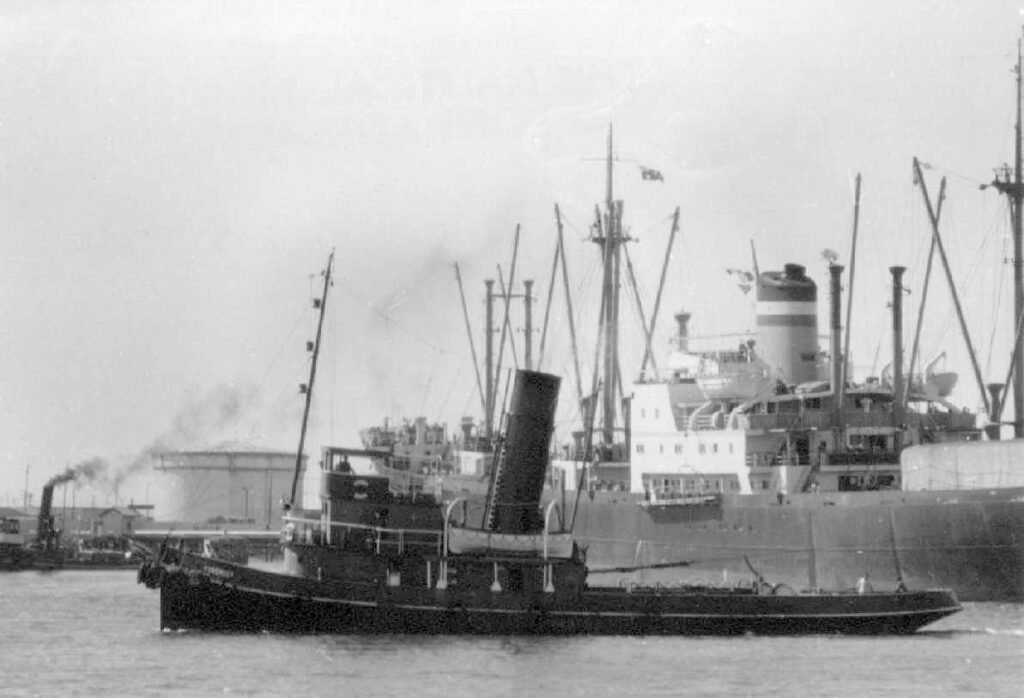
A Remarkable Survivor of Britain’s Maritime Past

Steam Tug Cervia is one of the last fully preserved steam‑powered tugs in the United Kingdom — a rare, living link to the age of steam, rivets, and heavy‑duty harbour craft. Built in 1946 by Alexander Hall & Co. of Aberdeen, she spent decades working the busy waters of the Thames Estuary, based at Gravesend, towing ships, assisting cargo vessels, and supporting coastal operations all around the South and East Coast.
Originally named Empire Raymond, Cervia formed part of a revised construction programme linked to Operation Overlord, the D‑Day invasion of Europe. Although intended for wartime service, she was not completed until shortly after the conflict ended. Even so, she retained many of the features designed for invasion duties, including an armoured wheelhouse and gun positions.
Built for Strength, Engineered for Endurance
Cervia was designed as a deep‑sea oceangoing steam tug, powered by a triple‑expansion steam engine capable of immense pulling power. Her rugged construction and reliability made her a trusted workhorse for harbour authorities and commercial operators.
Key features included:
- A triple‑expansion steam engine delivering exceptional towing strength
- Heavy‑duty winches and towing gear
- A riveted steel hull built for harsh North Sea conditions
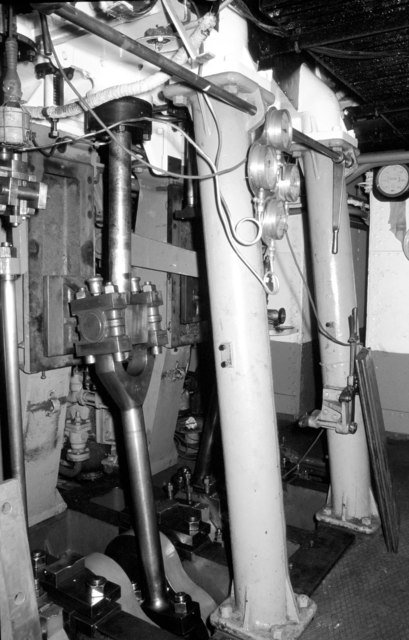
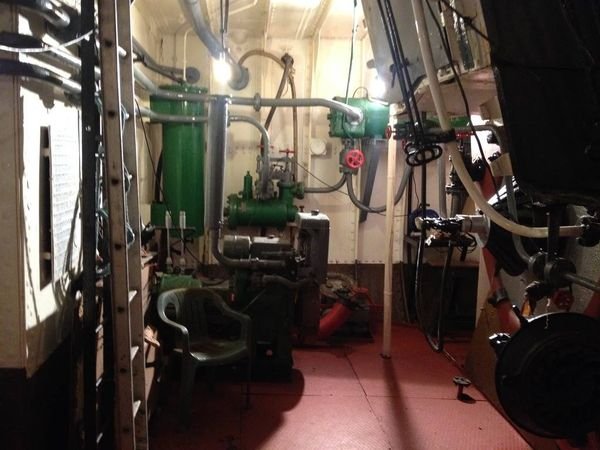
Cervia displaced more than 350 tons and was powered by a 1,000‑horsepower (750 kW) triple‑expansion steam engine.
Her single ended triple burner Scotch boiler design was fitted with oil burners, but the design allowed her to be quickly converted back to coal firing if required — a practical wartime precaution.
Foremost Type design
Cervia’s design was based closely on an earlier class of steam tug known as the Foremost type, first developed in 1923.
This older, proven design was revived during the Second World War because Britain urgently needed to replace wartime losses and support the government’s rapid shipbuilding programme. By re‑using a reliable pre‑war tug blueprint, builders could avoid delays, speed up production, and keep the Admiralty’s reconstruction plans on track.
Foremost 22 was built in 1924 by J Meyers Shipbuilding Co., Zaltbommel, Holland.